Instantly extend your Wi-Fi network.
Quick and safe setup and login for TP-Link repeaters.
TP Link Extender Setup Guide for Simple Installation
By enhancing coverage and removing dead zones in your house or place of business, a TP-Link Wi-Fi extender helps you extend your current wireless network. By connecting the extender through tplinkwifiext.com, you may easily boost your internet signal without any configuration. This guide provides comprehensive instructions for setting up your device, fixing common issues, and improving performance. Whether you’re working remotely, gaming, or streaming, a properly set extender ensures a faster, more reliable Wi-Fi connection wherever you need it.
TP-Link Extender Types
- Plug-in wall extenders (such as RE220 and RE305)
- LAN-capable desktop extenders
- Extenders compatible with WiFi 6 (such as RE605X and RE705X)
Although each model may have somewhat different features or tp link extender setup processes, the fundamental stages are always the same.
Prior to initiating the TP-Link Extender Configuration
Follow these guidelines to ensure a successful TP-Link extender setup:
- Your primary router has to be operational and online.
- Place your TP-Link extender close to the router while setting it up.
- Know your SSID (network name) and current WiFi password.
- Get a tablet, smartphone, or computer ready.
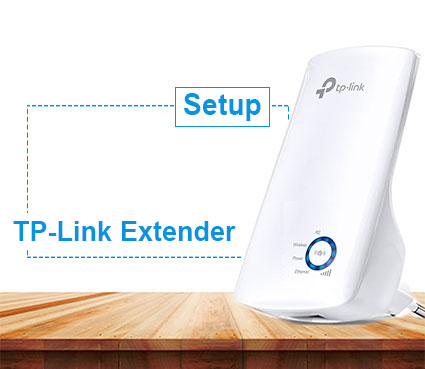
Setting Up a Web Interface for the TP-Link Extender
Power On the Extender
- You should now plug your TP-Link extender into a power socket near your main router.
Attach the Extender
- Hereafter, link to the extender’s default WiFi network (such as TP-Link_Extender) using a PC or mobile device.
tp link extender setup Page for Access
Open a web browser first, then type:
- The URL http://192.168.0.254 or the website http://tplinkrepeater.net.
Make an admin account.
- Subsequently, change the extender’s admin password.
Examine and Choose a Network
- Now allow the extender to look for available networks.
- Hereafter, enter the password and choose the SSID of your primary router.
Give Your Extended Network a Name
- You may either keep the same name or come up with a new one for easier recognition.
Understand how to set up a TP-Link wifi extender
- Lastly, await the reboot of the extender. Your expanded network is prepared when the LED becomes solid.
Configuring Tp-Link Extender Setup Through Mobile (Tether App)
For both novices and tech-savvy users, this is the simplest approach.
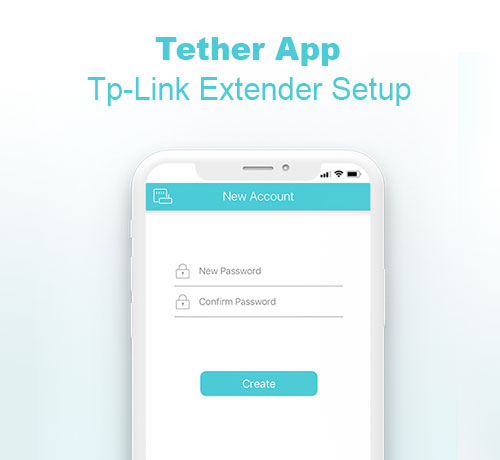

How to Configure the TP-Link Extender Setup Through Mobile:
Get the app.
- Get the TP-Link Tether app from the App Store.
Attach to the Extender
- Subsequently, connect your extender cord.
- Connect your phone to the default network when it has been switched on.
Open the App
- Launch the application, then enter your TP-Link ID or generate one.
Observe the TP-Link Range Extender Setup Guidelines.
- Hereafter, your extender will be detected by the app.
- To select your WiFi network and pass in the keyword, simply follow the on-screen instructions.
Finish the TP-Link Wifi Extender Setup
- Finish the configuration and give the expanded network a new name (optional).
- Wait for the extender to reboot completely.
Some Tips for Setting Up A TP-Link Wifi Extender:
- Positioning Is Crucial: The extender should ideally be positioned midway between your dead zone and router.
- Avoid Interference: Steer clear of microwaves, cordless phones, and metal items.
- Utilize LEDs as Guides: To assist you in determining the ideal location, the majority of TP-Link extenders have signal strength LEDs.
- Give Your Networks Names: Use names that are descriptive, such Home_WiFi_EXT, for clarity.
- Choosing a network: Use 5GHz if it’s available; it’s faster and less crowded than 2.4GHz, but its range is less.
Resolving Common Issues
- The WiFi connection is not being established by the extender.
- Verify that your router is turned on and transmitting.
- The router’s coverage area is where the extender should be positioned.
- Make sure the Wi-Fi password you entered during setup is correct once more.
- Restarting the router and extender will restore the connection.
- The Extender Setup Page Doesn’t Open
Make sure your device is linked to the extender’s network.
Try using a different browser or emptying the cache in your existing one.
In the address box, manually type http tplinkwifiext com or 192.168.0.254.
Disable any VPNs or firewalls that could be interfering with the connection.
- Wi-Fi is sluggish after setup.
- Make sure the extension and the router are not too far apart.
- Keep the extension away from large metal objects and microwaves.
- Check to see if there are any interfering devices utilizing the same frequency.
- To upgrade the firmware on the extender, visit the TP-Link support page.
- The extender keeps disconnecting
- Make sure the firmware is current.
- Site the extender in a zone where the router provides a steady signal.
- Steer clear of several devices vying for bandwidth at once.
- After the extender has been reset, repeat the setup procedure.
- Wifi Password Forgot
- Go to the admin page using the IP address of the router.
- Obtain the cached network password from the Wi-Fi settings.
- as an alternative, change the password and reset the extender.
Features of Advanced TP Link Setup
- High-Speed Mode: Uses one band to communicate with clients and another to communicate with the router.
- Access control: Keep unauthorized devices from connecting to your extension.
- LED Control: Turn off LEDs to avoid interruptions at night.
- Firmware Updates: Always keep your extender up to current for improved security and performance.
Resetting the TP-Link Range Extender
Sometimes a total reset is the best course of action.
How to Reset:
- Find your extender’s reset knob.
- Press and hold it.
- When the LED begins to flicker, release.
- After rebooting, the extender will return to its initial TP-Link wifi extender setup configuration.
Security Advice tips:
- The admin password that comes with the system should not be used.
- To stop unauthorized users from accessing your network, enable WPA2 or WPA3 encryption.
- switch Off Remote Access: If remote access is not needed, switch it off for added security.
- Hide SSID (Optional): Makes your WiFi less noticeable to those around.
FAQs
1. What is the operation of a TP-Link extender?
In order to increase coverage, decrease dead zones, and enhance connection across your house or place of business, a TP-Link extender takes in your current Wifi signal, boosts it, and rebroadcasts it.
2. Can I combine more than one TP-Link extender?
Although you may utilize more than one TP-Link extender, properly positioning them will guarantee peak performance and prevent interference. Every extender should be directly connected to the primary router signal.
3. Where should a TP-Link extender be placed?
For reliable connectivity and efficient coverage extender position the TP-Link extender halfway between your router and the poor signal region. Make sure it gets at least a medium-strength signal.
4. Do TP-Link extenders slow down the internet?
Signal retransmission may cause some speed loss, but dual-band versions and proper extender placement let linked devices continue to operate reliably and at higher rates.
5. Can I use a TP-Link extender to connect wired devices?
Indeed, a lot of TP-Link extenders have an Ethernet connector, which enables you to connect wired devices for quicker and more reliable internet access, such as desktop computers, smart TVs, and game consoles.
6. How far away from the primary router should my TP-Link extender be placed?
The finest distance amid your router and the signal-poor region is around midway. Don’t put the extender in a dead zone; instead, use its LED indications to help you find the ideal place.