
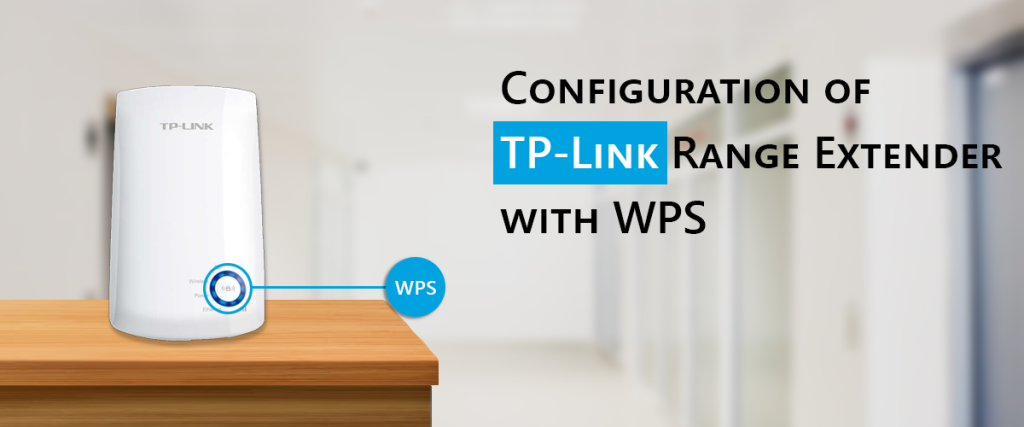
Uninterrupted Wi-Fi coverage is more than a luxury in today’s connected society; it is essential. A TP-Link range extender can be the ideal remedy for Wi-Fi dead zones in your house or place of business. The TP-Link Range Extender with WPS setup is the quickest and easiest way to get your extender up and running, and it is the specific topic of this tutorial. For those without routers that support WPS, we’ll also discuss alternatives like setting up a TP Link range extender without WPS.
TP-Link Range Extender: What Is It?
A TP-Link Range Extender is a little gadget that extends range by rebroadcasting your current wireless signal. In distant rooms, loft spaces, garages, and even backyards, it’s perfect for boosting signal strength.
WPS: What is it?
The majority of contemporary routers have a function called WPS (Wi-Fi Protected Setup) that lets you connect devices without entering the network password. Instead, a secure connection is automatically established by pressing a WPS button, either virtual or physical, on both the router and the extender.
Why Opt for the TP-Link WPS Range Extender?
The simplest and fastest way to configure your TP-Link extender is to use the WPS technique. It can be accomplished in less than five minutes and requires very little technological expertise.
Configuring the TP-Link Range Extender with WPS: Detailed
For TP Link extender setup with WPS, follow these steps:
Connect the Extender
Connect your TP-Link extender to a power vent adjacent to your main router. Verify that it is within the Wi-Fi signal range of your router.
Turn It On
Await the extender’s Power LED to solidify. This signifies that the gadget is prepared.
Press your router’s WPS button.
Press the main router’s WPS button. On the front or rear panel of the majority of routers is a dedicated WPS button. It could feature a circular arrow sign or be labeled “WPS.”
Press the Extender’s WPS Button.
Press the WPS button on the TP-Link extender within two minutes of pushing the router’s WPS switch. The extender’s WPS LED will begin to flicker.
Await the Connection
The extender will establish a connection with your router after approximately one minute. A successful connection should be indicated by the RE (Range Extender) LED becoming solid.
Move the extender.
After connecting the extender, unhook it and relocate it to the desired spot, preferably midway between your router and the signal-poor region.
To determine the best location, use the extender’s Signal LED indications. Generally speaking, a green light denotes a solid connection; a red or absent light indicates that the device is too far away from the router.
How to Verify the link
- Link your phone, tablet, or laptop to the expanded network.
- To guarantee internet connectivity, launch a browser and go to any website.
- To monitor signal strength or change settings, you can optionally enter http tplinkrepeater net into your browser to access the extender’s online interface.
Configuring a TP-Link Range Extender Setup Without WPS
Do you not have a router that supports WPS? Fear not—TP-Link also offers a manual setup option.
To configure TP Link range extender setup without WPS, follow these steps:
- Wait for the Power LED to steady after plugging in the extender.
- Join the default Wi-Fi network of the extender, which is often called TP-LINK_Extender_XXXX.
- Go to http://tplinkrepeater.net in a web browser.
- When asked to create an admin password.
- From the list, pick your current Wi-Fi network.
- To finish the configuration, enter the password for your primary network.
- As previously said, move the extender to the desired spot.
- The TP Link range extender setup without WPS allows you more flexibility and works with older routers, even if the WPS technique is faster.
Troubleshooting Tips to Set Up TP Link Extender with WPS
Try the following if you experience problems setting up:
Verify that WPS is activated
By default, some routers deactivate WPS. It might need to be enabled via the web interface of your router.
Turn both devices back on.
The WPS pairing window can be reset by power cycling the router and the extender.
Turn the extender off.
To return the extender to its original settings, hold down the reset switch. If you have to start the setup procedure from fresh, this is helpful.
Firmware Update
Check for firmware upgrades by logging into the extender’s dashboard at http //tplinkrepeater.net app. Connection problems may arise from outdated firmware.
Top Techniques for Maximum Effectiveness
- Steer clear of obstacles: The extender should be kept out of the path of microwaves, cordless phones, and metal items.
- Use the same SSID: For smooth traveling, some users prefer to use the same network name (SSID) as the primary router.
- Track signal strength: To assess performance, use the TP-Link Tether app or the signal indicators on the extender.
Benefits and Drawbacks of WPS Configuration
- Easy—perfect for novices
- Entering Wi-Fi credentials is not required.
- Easy setup procedure
Drawbacks
- WPS flaws make it somewhat less secure than manual setup.
- Not suitable for certain outdated routers
Final Thoughts
The simplest method for increasing wireless coverage and removing Wi-Fi dead zones is to configure your TP-Link Range Extender with WPS. This approach provides a plug-and-play solution with no hassle, regardless of whether you live in a big house, a multi-story structure, or simply need to boost the signal in your garden. However, the manual technique via www tplinkrepeater net is a dependable substitute if your router does not support WPS.
In just a few minutes, you may experience faster, more dependable, and wider Wi-Fi by following the easy steps mentioned above. For optimal performance, position your extender in an area that strikes a balance between signal strength and distance.
FAQs
What should I do if my TP-Link extender isn’t connected to the router using the WPS method?
If the connection to WPS fails:
- Make sure your extender and router are WPS compatible.
- Within two minutes, press the WPS buttons on both devices.
- During setup, move the extender closer to the router.
- Try again after restarting both devices.
- Try the manual setup if it doesn’t work.
Is WPS necessary to set up a TP-Link range extender?
Indeed. You can connect to the extender’s default network login and follow the setup instructions if your router does not support WPS or if you would rather set things up manually. Any TP-Link extender may be used with this technique.
How can I determine whether my TP-Link extender is effectively connected?
Examine the Range Extender (RE) LED:
- The extender is connected if the light is solid.
- It’s not connected if the light blinks or doesn’t light up.
- A device linked to the extender’s Wi-Fi network can also be used to test internet connectivity.
Can I give the extender the same network name (SSID) as my primary router?
Indeed. TP-Link allows you to maintain the same SSID during setup. Devices may now automatically switch between the router and the extender thanks to this. If you wish to manage which devices connect to each, you may also provide a distinct SSID.
How far away from the router can I put the TP-Link extender?
The extender should be situated roughly midway between your router and the signal-poor location. Utilize the signal LEDs on the extender as a guide; a green light indicates a strong signal, whereas a red or absent light indicates that you are too far away from the router.